
ArcangeloAn English Baroque Journey
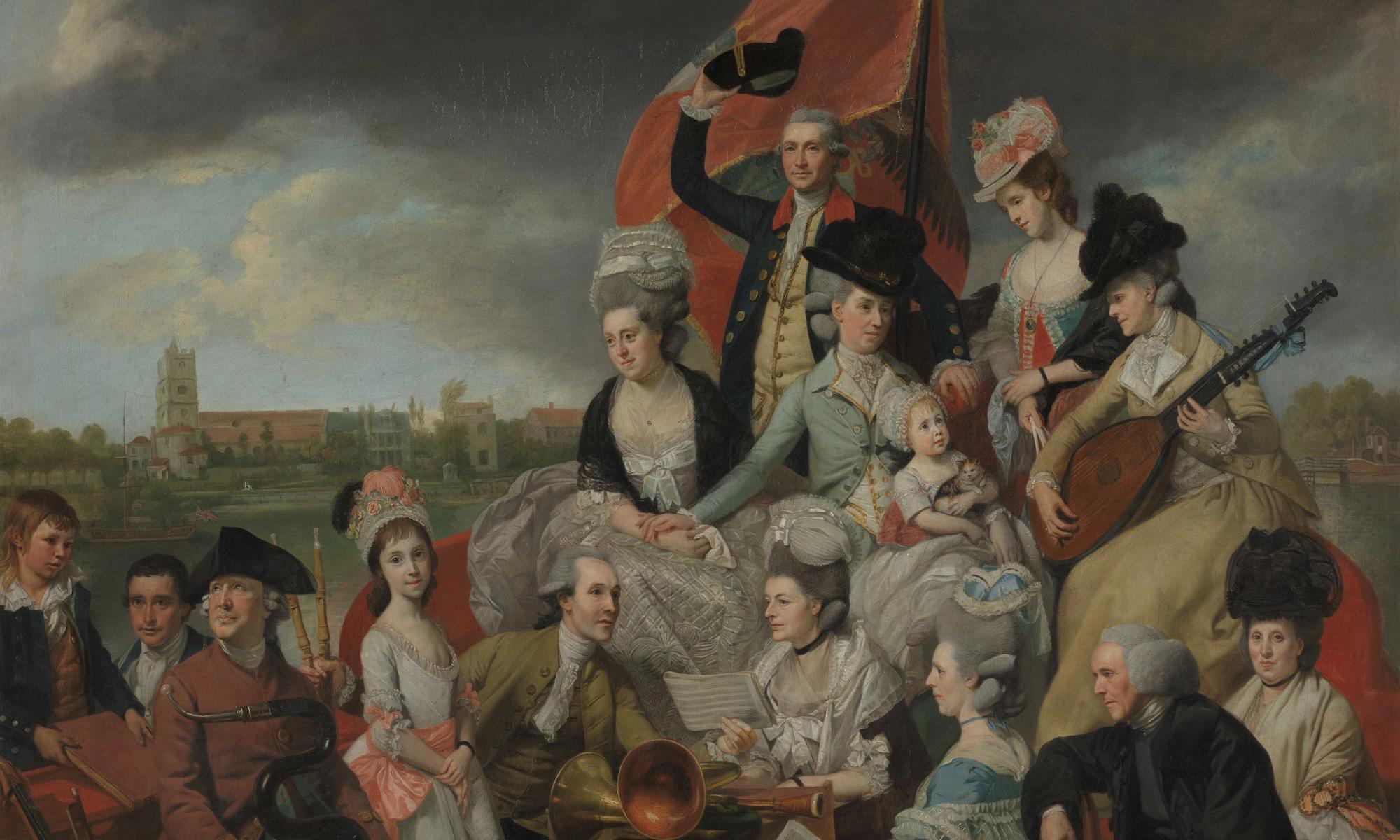
Johann Zoffany - The Sharp Family © The National Gallery, LondonArcangelo

An English Baroque Journey

Music, musicians & culture, 1660-1760

Jump to the journey

In 1660 the theatres reopened and a king came home with French music in his ears. What followed was a century in which England revelled in new music like never before – in church, at home and on the stage.

This website is the online companion to Arcangelo's 'An English Baroque Journey' project, a sequence of five programmes exploring the English Baroque from the Restoration to the death of Handel. The series has been devised with Wigmore Hall, where all programmes will be presented live in concert from Autumn 2026.

The journey in eight parts
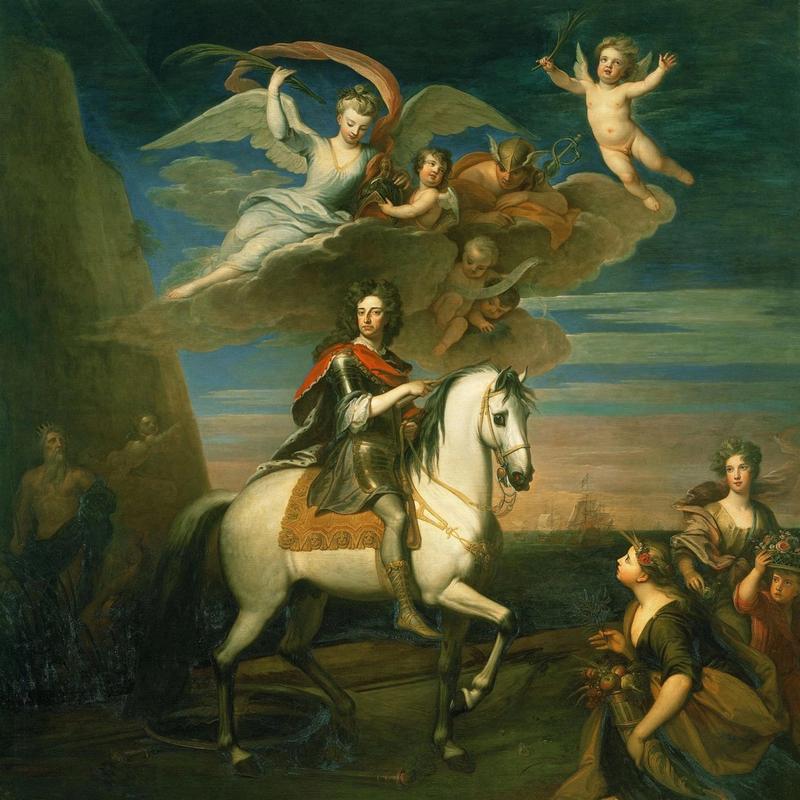
William III in armour on a rearing white horse, with allegorical figures on clouds above and Neptune and Ceres at the shore below.
Preface

Welcome to the world of the English Baroque

Nicholas Kenyon
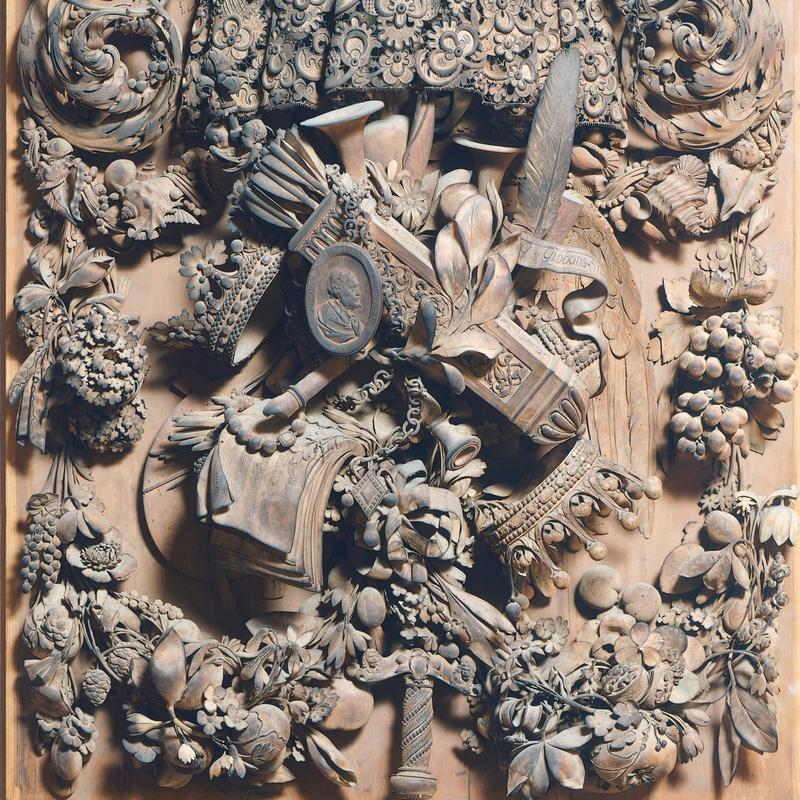
Limewood carving by Grinling Gibbons: birds, flowers and musical instruments in intricate relief.
Prologue

The English Baroque as a Cultural Phenomenon

Andrew R. Walkling
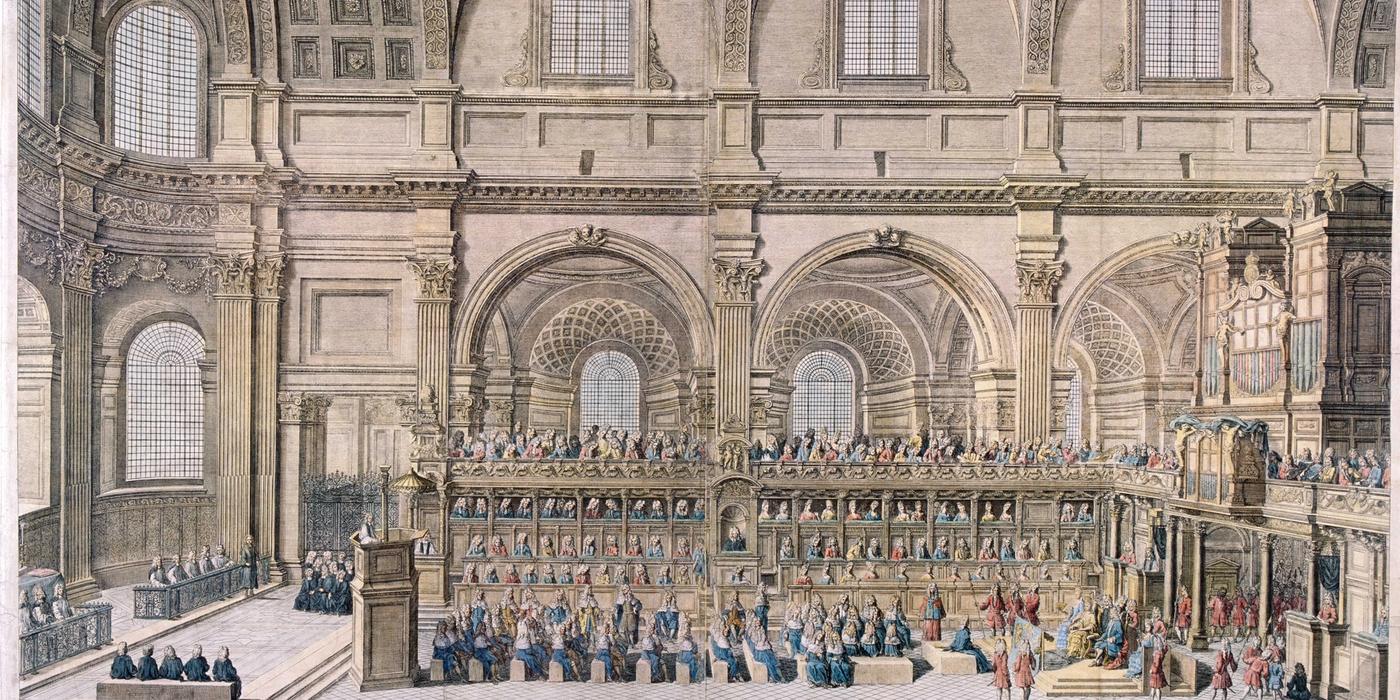
Hand-coloured engraving of the choir of St Paul's Cathedral during the thanksgiving service of December 1706, the congregation in tiered stalls and musicians in the gallery at the right.
Chapter One

“Better suiting a tavern or playhouse than a church”

Andrew Gant
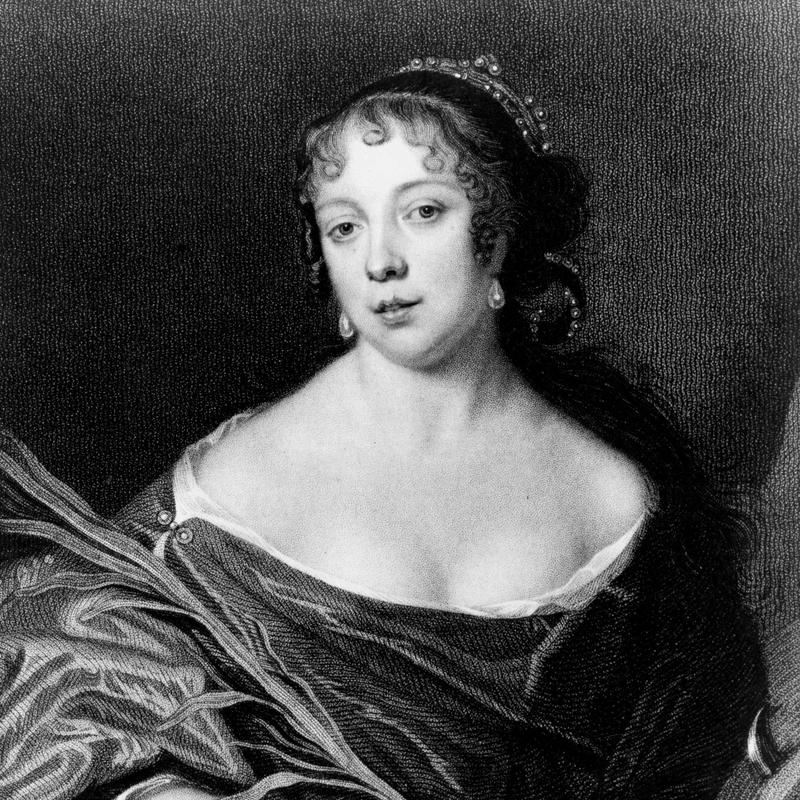
Stipple engraving of Elizabeth Pepys as St Catherine, pearls in her hair and an off-the-shoulder silk gown, her hand resting on the saint's wheel.
Chapter TwoForthcoming

“Musique is the thing of the world that I love most”

Kirsten Gibson
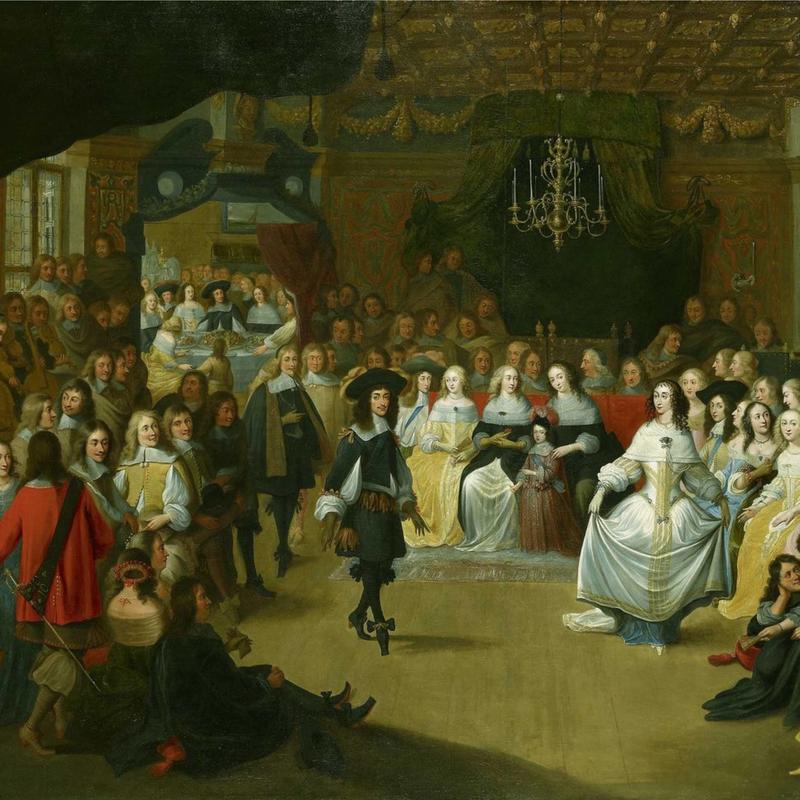
Charles II dancing with his sister Mary at a court ball in The Hague, painted by Hieronymus Janssens, the couple in the centre of a candlelit room with courtiers and musicians around them
Chapter ThreeForthcoming

“The new Airy Tunes of these Times”

Andrew Woolley
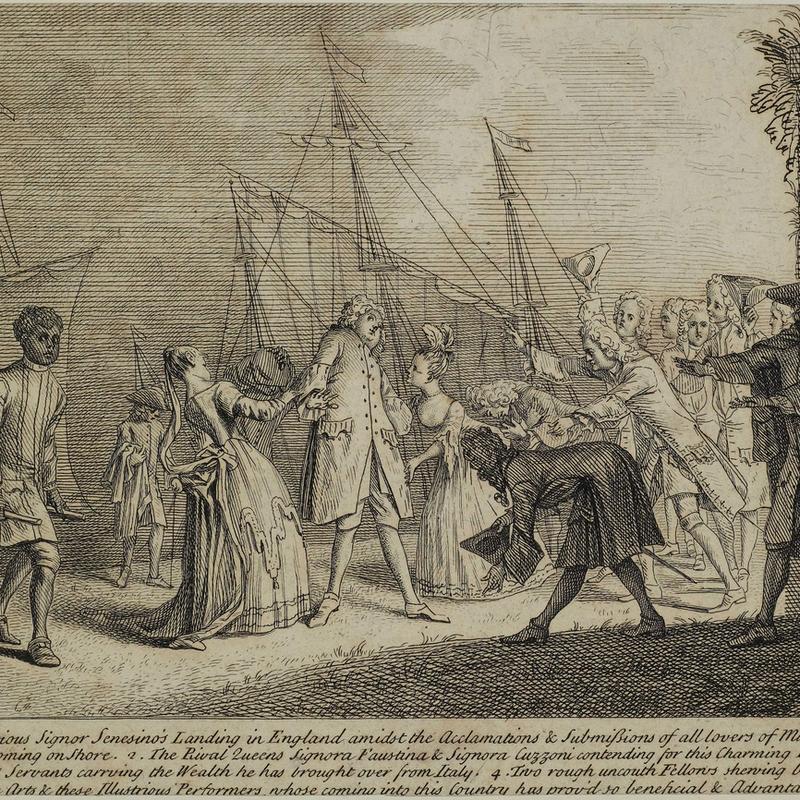
Satirical engraving of the castrato Senesino arriving by ship in England, greeted on the quayside by the rival sopranos Francesca Cuzzoni and Faustina Bordoni, while servants carry his wealth from Italy and onlookers jeer.
Chapter FourForthcoming

“Such favour for the Itallian musick, as hath given it possession of our Pernassus”

Carrie Churnside
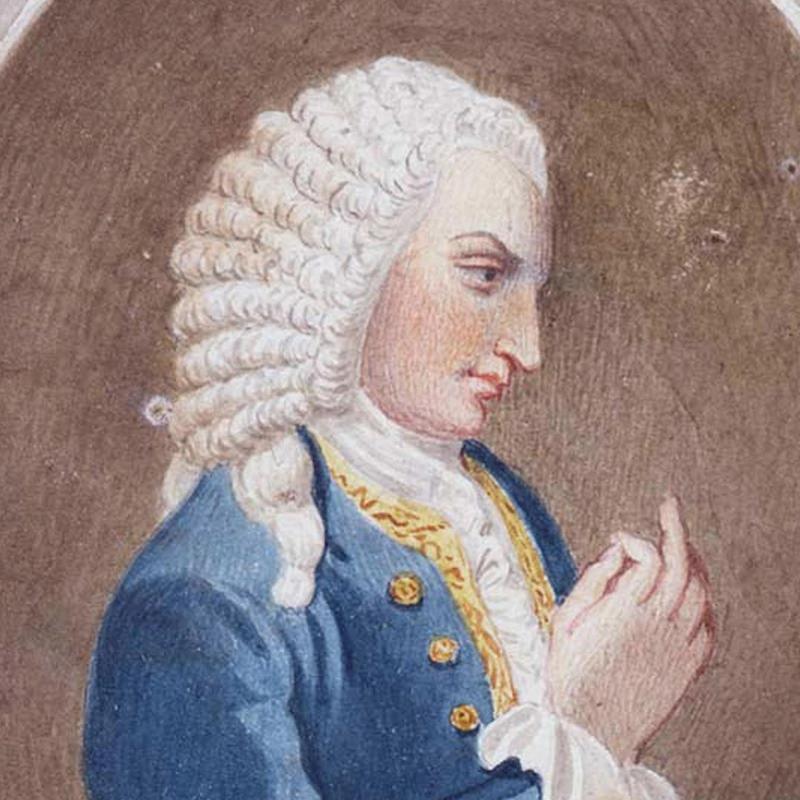
Portrait of the theatre manager John Rich in profile, wearing a long powdered wig and a blue coat with gold trim, c.1750.
Chapter FiveForthcoming

“The Court and Town were wonderfully satisfy’d”

Kathryn Lowerre & Robert Shay
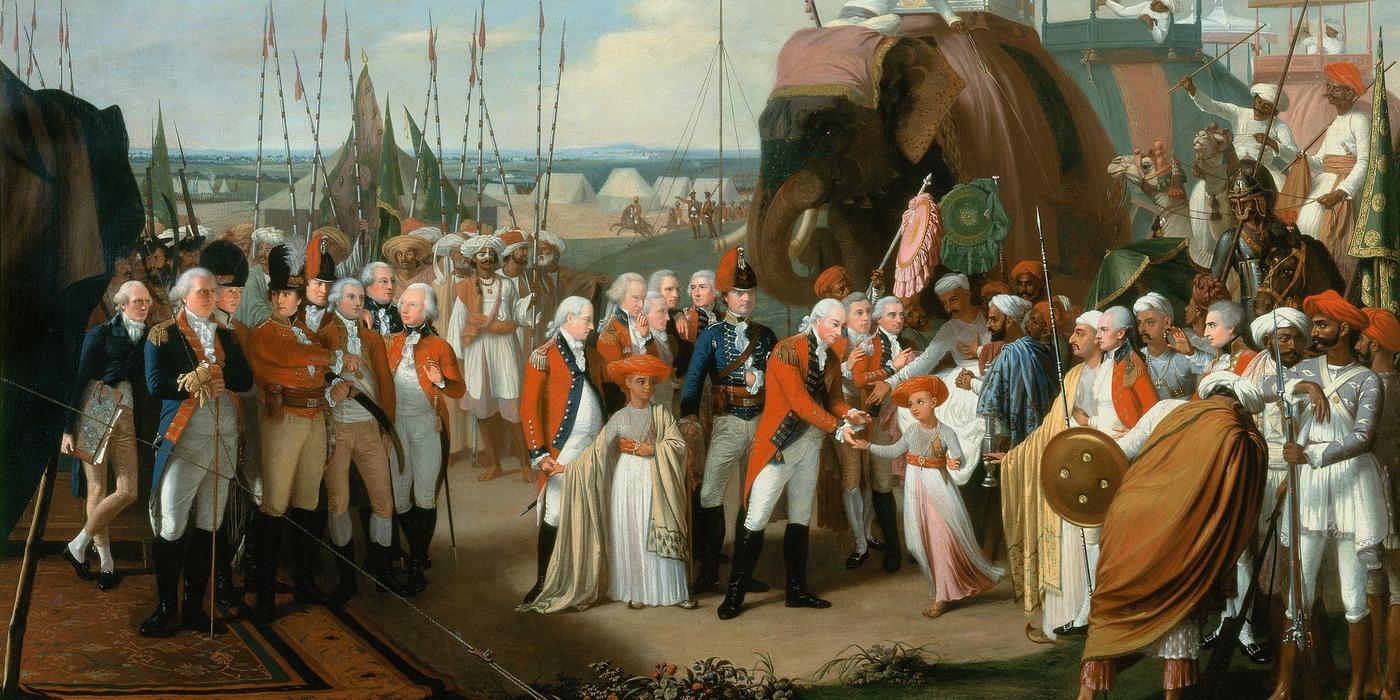
Painting of Lord Cornwallis, in red coat, receiving the two young sons of Tipu Sultan as hostages in 1793, surrounded by British officers and Mysorean courtiers, with decorated elephants and a military camp behind.
EpilogueForthcoming

The Legacy of the English Baroque

Joe Lockwood