Welcome to the world of the English Baroque
Nicholas Kenyon
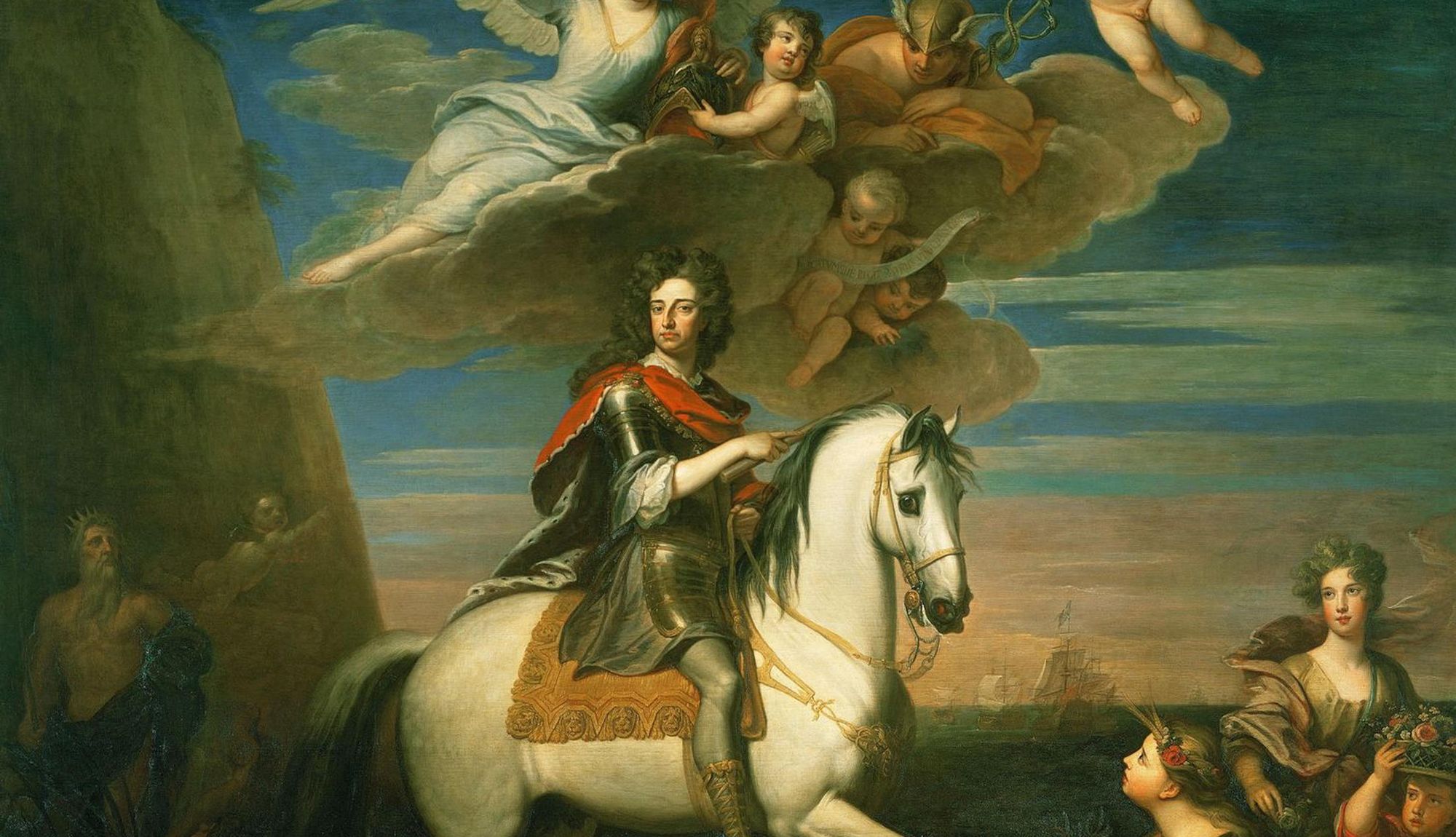
Alamy / The Picture Art Collection
“What passion cannot Music raise and quell?”
John Dryden, Ode on St Cecilia’s Day 1687
Welcome to the world of the English Baroque, in which we celebrate one of the great periods of our national creativity, stretching from before the Restoration of 1660 through to the death of Handel in 1759. It is a century that produced gloriously rich and varied masterpieces, a period which left an indelible mark on our musical life that resonates today.
Across five concert programmes, a printed book, and this website, we explore the wealth of music-making that followed the arrival to the throne of Charles II, expanding musical activity in sacred and secular repertory. Built on pre-Restoration activity around the country that kept musical skills alive (“Musick held up her head… in private society”, wrote Roger North) as well as on musicians who came from Europe, it stimulated a new national style. The newly augmented Chapel Royal made an instant impression on Samuel Pepys, who remarked that the music was “more full than it was”. Music flourished in new public concerts, in taverns and coffee houses.
Our overall aim is to provide a fresh context and background to the achievements of the English Baroque. We explore the impact of the French style, so popular with Charles II at his court, and the Italian manner which became mixed with it in Purcell’s gloriously ecumenical music. As music established itself as a popular activity for all, we survey the development of “dramatick” opera bringing words and music together, and look at the legacy of the Baroque for the future of English music.
The English Baroque was much more than music: for me, for example, the development of the Classically-inspired architecture of Inigo Jones and Christopher Wren into the full-blown, dramatic Baroque style of Nicholas Hawksmoor, John Vanbrugh and Thomas Archer represents a thrilling achievement of this period, born of the confidence of a new generation. The move from the centrality of the court to the dominance of the public sphere was a critical one for society: Handel mounted his operas as commercial undertakings, and when they failed he quickly turned to oratorio, creating a new English art-form.
Handel changed the course of our musical life and was revered after his death: the huge Commemoration of 1784 was only the beginning of the posthumous life of Handel’s music in massive choral performances. Now in the wake of a century and more of scholarly research and scrupulous musical revival, we can relish the return to the smaller forces of the time, and experience the music of the English Baroque with its true, sensual colours.
Our deep thanks go to the team of authors, editors and designers who have explored and illuminated this rich and varied world for the benefit and enjoyment of the widest possible audience – and of course to the superb musicians of Arcangelo and Jonathan Cohen, whose music-making will illuminate the wonders of the English Baroque. Enjoy the journey!